Why Coastal Salt Air Destroys Sunshine Coast Roof Tiles Fast
Living near the beach exposes Sunshine Coast roofs to windblown salt, strong ultraviolet radiation, heavy rain and persistent humidity. Together, these conditions can accelerate roof deterioration. However, salt air does not automatically destroy every tiled roof quickly. Tile material, age, surface condition, installation quality and exposure to onshore winds all influence how fast damage develops.
How Salt Affects Roof Tiles
Sea spray carries tiny salt particles inland, where they settle on roof surfaces. Rain washes some deposits away, but salt can accumulate in sheltered areas, overlaps and porous materials.
When salt-bearing moisture enters pores and then evaporates, salts can crystallise. Repeated crystallisation can place stress on vulnerable surfaces, contributing to flaking or granular breakdown. This is more likely where tiles are already weathered, cracked or unusually absorbent.
Concrete and Terracotta Respond Differently
Concrete tiles can develop a rougher, more absorbent surface as their protective finish weathers. Salt exposure may compound that deterioration, but fading alone does not https://roofcleaningsunshinecoast.com.au/services/gutter-cleaning/ mean a tile is structurally unsound.
Good-quality terracotta tiles generally resist coastal exposure well. Nevertheless, damaged tiles and products with unsuitable durability characteristics can suffer moisture-related deterioration. Tile condition and suitability matter more than blanket claims that one material always fails near the ocean.
Metal Components Can Fail Before the Tiles
Salt-laden moisture accelerates corrosion of susceptible metal fixings, flashings, valleys and gutter components. A tiled roof can therefore develop leaks or loose components even when most tiles remain serviceable.
Coastal roof repairs should use materials and fasteners suitable for the site’s exposure and compatible with adjoining metals. Ask your roofing contractor to check manufacturer requirements rather than assuming standard replacement components suit every beachfront property.

Why Sunshine Coast Conditions Increase the Risk
Ocean-facing properties around locations such as Coolum Beach, Maroochydore and Caloundra can receive substantial salt exposure. Distance from the shoreline matters, but prevailing winds, elevation and shelter also affect how much salt reaches a roof.
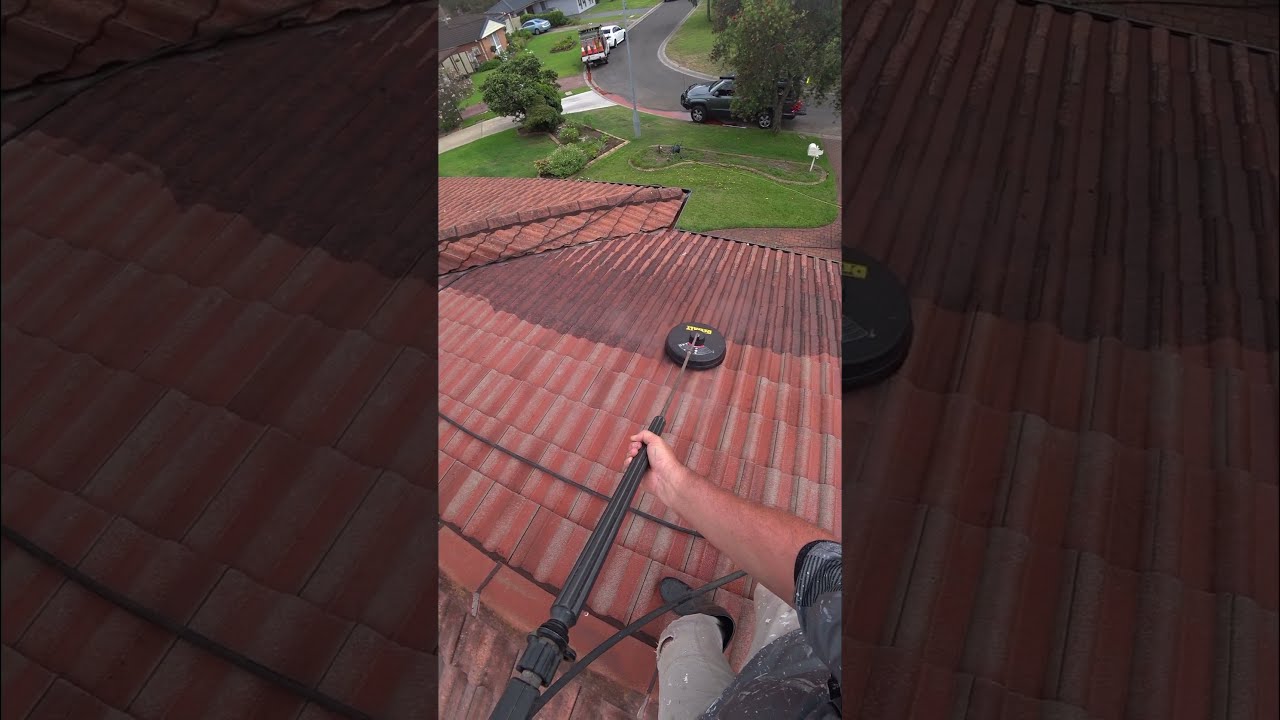
Intense sunlight weathers finishes, while wetting and drying cycles repeatedly move moisture through vulnerable areas. Wind-driven rain can enter damaged overlaps, and organic growth can retain moisture or obstruct drainage. These factors often work together rather than salt acting alone.
Warning Signs Worth Checking
- Flaking tile surfaces, crumbling edges or recurring granular debris in gutters.
- Cracked, slipped or missing tiles, particularly after severe weather.
- Rust staining or visible corrosion around metal roof components.
- Loose ridge capping or deteriorating bedding and pointing.
- Water stains inside the ceiling or persistent dampness in the roof space.
White deposits may be efflorescence from salts within building materials, not necessarily sea salt. A roof inspection helps distinguish cosmetic deposits from active deterioration.
How to Reduce Coastal Roof Damage
Arrange a professional inspection approximately annually, with more frequent checks where exposure or existing defects justify them. Have the roof assessed after significant storms if damage is suspected. Keep gutters and valleys clear so water drains freely, and address broken tiles or corroded flashings promptly.
Avoid aggressive pressure washing or unapproved chemical treatments. These can damage finishes, force water beneath tiles or create runoff problems. Cleaning methods should follow the tile manufacturer’s guidance. Do not climb onto a roof to rinse away salt; use a suitably qualified and insured contractor.
Roof coatings are not a universal solution. Some sound concrete roofs may suit an approved coating system after preparation, but coatings cannot repair structurally deteriorated tiles or failing fixings. Terracotta tiles require particular care when considering surface treatments.
Repair or Replace?
Localised damage may only require individual tile replacement and repairs to flashings or ridge details. Widespread tile breakdown, recurring leaks or extensive fixing corrosion warrants a broader assessment. For Sunshine Coast homeowners, the most useful first step is a documented inspection that separates tile damage from problems elsewhere in the roof system, followed by a repair plan suited to coastal exposure.
Sunshine Coast Roof Cleaning Pros
Unit 2/47 Enterprise St, Kunda Park QLD 4556, Australia
(07) 4158 6008
Ends · STEPHENPNDY096